

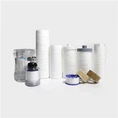
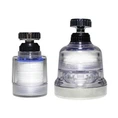
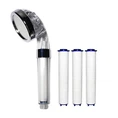
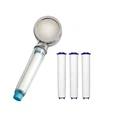
A shower filter is a specialized water treatment device designed to be installed on a showerhead or shower arm. Its primary purpose is to remove or reduce specific contaminants from the water before it comes into contact with your skin, hair, and lungs during a shower. Unlike a whole-house filter that treats all water entering your home, a shower filter is a point-of-use (POU) system, focusing solely on the water you bathe in.
Core Purpose: Why Use a Shower Filter?
The main reasons people install shower filters are to address the following issues:
1. Chlorine & Chloramine Removal: Municipal water supplies use chlorine/chloramine to kill bacteria, but these chemicals:
* Dry out and irritate the skin, exacerbating conditions like eczema or psoriasis.
* Damage hair, causing dryness, frizz, color fading, and split ends.
* When hot water vaporizes them, they form chloroform and other disinfection byproducts (DBPs), which can be inhaled and absorbed through the skin.
2. Heavy Metal Reduction: Filters can trap metals like lead, mercury, nickel, and cadmium that may leach from old pipes or be present in the water supply.
3. Sediment & Scale Removal: They filter out dirt, rust, and mineral deposits (like calcium and magnesium from hard water), preventing them from clogging the showerhead and irritating the skin.
4. Odor Improvement: They eliminate the strong "chemical" or "swimming pool" smell of chlorinated water.
How Does a Shower Filter Work?
Shower filters use a combination of filtration media inside a replaceable cartridge to purify the water. The most common technologies include:
* KDF (Kinetic Degradation Fluxion): A mix of copper and zinc granules. It uses a redox (reduction-oxidation) reaction to convert chlorine into harmless chloride ions. It is also highly effective at inhibiting the growth of bacteria, algae, and fungi, and reducing heavy metals.
* Activated Carbon: Highly porous carbon that adsorbs (traps on its surface) chlorine, chloramine, volatile organic compounds (VOCs), pesticides, and other organic contaminants that cause bad tastes and odors.
* Calcium Sulfate: Often used in conjunction with KDF to enhance chlorine removal.
* Ceramic Filters: For removing fine sediment, cysts, and bacteria (less common in standard shower filters).
As water flows through the filter cartridge, these media work together to trap or chemically neutralize contaminants, delivering cleaner water to the showerhead.
Common Types of Shower Filters
They are categorized based on their installation style:
1. Showerhead-Mounted Filters:
* Integrated directly into a replacement showerhead. The filter is inside the showerhead body.
* Pros: Easy to install (screw on like a normal showerhead), sleek design.
* Cons: Smaller filter cartridge, shorter lifespan, may have slightly reduced water pressure.
2. In-Line/Shower Arm Filters:
* Installed between the existing shower arm and the showerhead. It is a separate canister unit.
* Pros: Larger cartridge capacity, longer filter life, can be used with any existing showerhead, often more effective filtration.
* Cons: Adds a small visual element to the shower arm.
3. Handheld Shower Filters:
* Built into the base of handheld shower wands, combining the convenience of a handheld spray with filtration.
Key Limitations to Understand
It's important to have realistic expectations:
* Not for Drinking Water: Shower filters are not designed or certified to remove all pathogens (like bacteria or viruses) or contaminants to make water safe for drinking. They are for bathing only.
* Limited Lifespan: The filter cartridge has a finite capacity (typically 3-6 months or 10,000-20,000 gallons). Once exhausted, it must be replaced; otherwise, it can become a breeding ground for bacteria or stop filtering entirely.
* Hard Water "Softening": Most standard shower filters do not soften water (remove calcium/magnesium). They can reduce scale buildup but won't eliminate the effects of hard water entirely. For true softening, a salt-based water softener is needed.
Installation & Maintenance
* Installation: Extremely simple. No plumber is required. You just unscrew your old showerhead, wrap Teflon tape (plumber's tape) around the shower arm threads for a watertight seal, then screw on the new filter unit or showerhead.
* Maintenance: The only regular task is replacing the filter cartridge according to the manufacturer's schedule. This is usually a simple twist-off, twist-on process.
In summary, a shower filter is a simple, affordable upgrade that primarily protects your skin, hair, and respiratory system from the harmful effects of chlorine and other common water contaminants, significantly improving the comfort and quality of your daily shower.