

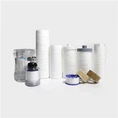
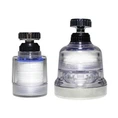

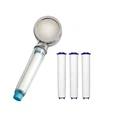
A shower filter is a point-of-use water treatment device installed on your shower arm or integrated into the showerhead, designed to purify shower water by removing or reducing contaminants before it contacts your skin, hair, and lungs. Its core functions focus on protecting personal health, enhancing comfort, and mitigating water-related skin/hair issues-here's a detailed breakdown of what it does, along with key mechanisms and limitations:
1. Primary Contaminant Removal (Core Function)
Shower filters target the most common and impactful contaminants in municipal tap water, using specialized filtration media (e.g., KDF copper-zinc alloy, activated carbon, calcium sulfite) to neutralize or trap impurities:
* Remove chlorine & chloramine
Municipal water uses chlorine/chloramine to kill bacteria, but these chemicals are harsh for the body:
KDF media triggers a redox reaction to convert chlorine into harmless chloride ions; activated carbon adsorbs both chlorine and chloramine (a harder-to-remove disinfectant used in many cities).
Eliminates the sharp "pool-like" chemical odor from shower water.
* Reduce heavy metals
Traps lead, mercury, cadmium, nickel, and iron that leach from old pipes or exist in source water-critical for avoiding long-term skin absorption of toxic metals.
* Filter sediment & debris
Catches rust, sand, dirt, and mineral scale from water lines, preventing clogged showerhead nozzles and avoiding gritty, irritating water flow.
* Lower volatile organic compounds (VOCs)
Activated carbon adsorbs trace pesticides, herbicides, and industrial solvents that may be present in tap water, reducing inhalation/skin exposure.
2. Protect Skin & Hair Health
This is the most noticeable benefit for most users, as tap water contaminants directly damage the body's largest organs:
* Skin care: Chlorine strips the skin's natural sebum (protective oil), causing dryness, itching, redness, and worsening conditions like eczema, psoriasis, or acne. A filter preserves sebum, reducing irritation and keeping skin hydrated.
* Hair care: Chlorine and hard water minerals (calcium/magnesium) dry out hair cuticles, leading to frizz, split ends, color fading (for dyed hair), and scalp irritation. Filters reduce these stressors, making hair softer, shinier, and more manageable.
* Reduce microbial growth: KDF media inhibits the growth of bacteria, algae, and fungi in the filter cartridge and shower lines, preventing "slimy" buildup and reducing exposure to harmful microbes.
3. Improve Respiratory Comfort
Hot shower water vaporizes chlorine and disinfection byproducts (DBPs like chloroform), which are easily inhaled into the lungs-especially harmful for those with asthma, allergies, or sensitive respiratory systems. A shower filter removes these volatile compounds before water turns to steam, reducing:
* Coughing, throat irritation, or nasal congestion during/after showers.
* Long-term inhalation exposure to DBPs (classified as potential irritants or carcinogens in high concentrations).
4. Enhance Shower Comfort & Longevity
* Consistent water flow: By filtering sediment, it prevents showerhead nozzles from clogging, maintaining steady water pressure and even spray patterns.
* Extend showerhead life: Reduces mineral scale and rust buildup inside the showerhead, lowering wear and tear and avoiding frequent cleaning/replacement of the showerhead itself.
Key Limitations to Note
Shower filters are specialized for bathing, not universal water treatment-they do not:
* Soften hard water (most standard filters can't remove calcium/magnesium; only reduce scale buildup, not eliminate hard water effects).
* Purify water for drinking (not certified to remove all pathogens like bacteria/viruses, so filtered shower water is not safe to consume).
* Work indefinitely: The filter cartridge has a finite lifespan (typically 3–6 months or 10,000–20,000 gallons) and must be replaced to maintain effectiveness (a worn cartridge can stop filtering or harbor bacteria).
In short, a shower filter acts as a personal barrier between tap water contaminants and your body, solving common issues like dry skin, frizzy hair, chemical odors, and respiratory irritation-making showers safer and more comfortable.