

Ceramic Ball Filter
What is Ceramic Ball Filter
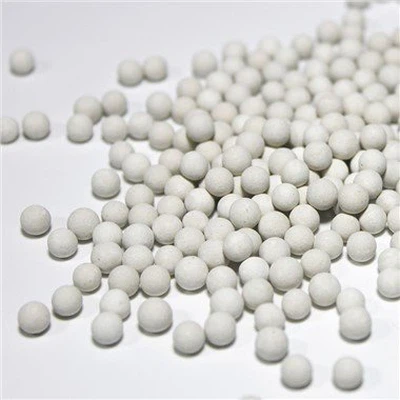
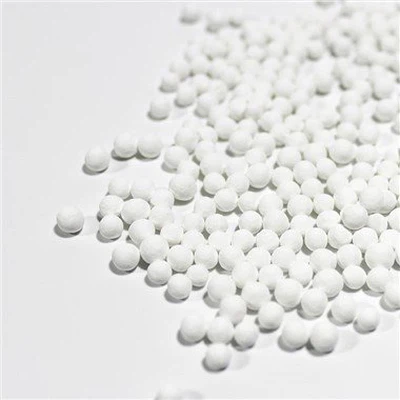
A ceramic ball filter uses tiny pores on a ceramic surface to filter bacteria and sediment out of drinking water. It is an affordable and versatile water filtration method that can be installed in households or used as a portable filtration device. Ceramic filtration systems use natural ceramic media as the core of the water filtration process. The ceramic ball filter treats water and removes contaminants through its network of pores.
Benefits of Ceramic Ball Filter
Filters out harmful contaminants
One of the most notable benefits of ceramic ball filter is their ability to filter out harmful contaminants from water. Made from a combination of natural minerals, these balls act as magnets to absorb impurities such as chlorine, heavy metals, and other harmful substances. Once these impurities are attracted to the surface of the ceramic ball, they are effectively captured and prevented from entering the drinking water.
Softens hard water
Ceramic ball filter are also known for their ability to soften hard water. Hard water contains a lot of dissolved minerals such as calcium and magnesium, which can cause buildup in pipes and appliances. By using ceramic balls, these minerals are removed from the water, which helps extend the life of appliances and pipes.
Raises pH
In addition to removing harmful contaminants, ceramic ball filter can also raise the pH of water, making it more alkaline. Alkaline water has many benefits for the body, including improved hydration, improved digestion, and stronger immunity. By alkalizing water with ceramic balls, you can create a healthier, more refreshing drink that is perfect for staying hydrated throughout the day.
Retains essential minerals
Another advantage of ceramic ball filter is that they do not remove essential minerals from the water. Unlike other forms of water treatment such as reverse osmosis, ceramic balls do not strip the water of beneficial minerals such as calcium, potassium and magnesium. This means the water remains healthy and nutritious, providing the body with the essential minerals it needs to function properly.





Why Choose Us
Rich experience
We have more than 20 years of experience in mechanical design and filter element production. We sincerely invite and welcome you to our company to discuss cooperation.
Excellent quality
Our products enjoy a good reputation. We have a strict production system and excellent product quality. It is a wise choice to choose us.
Advanced equipment
With 20 sets of PP melt-blown filter element production lines and 10 sets of activated carbon production lines, we mainly produce filter element manufacturing machines and various filter element products.
Production market
Our products have been exported to Asia, Europe, North America and Africa and more than 20 countries in the world, our customer give the good reputation for our products and service.

Ceramic ball filter is a device that uses the microporous structure and surface charge characteristics of ceramic particles to filter water through the ceramic particle layer. Ceramic particles have strong adsorption capacity and microporous filtration effect, and can effectively remove suspended solids, microorganisms and organic matter in water.
In the ceramic ball filter, the water is pretreated and enters the ceramic particle layer through the water inlet of the filter. Tiny particles such as suspended solids, bacteria and viruses in the water will be captured by the micropores on the surface of the ceramic particles and discharged from the surface of the ceramic particle layer through the pressure difference.
Ceramic balls are made of highly compressed ceramic materials, forming a large number of tiny pores on the surface of the ball. These pores allow water to pass through while also trapping impurities that are too large to pass through. As water flows through the ceramic ball filter, impurities are trapped in the pores, allowing only clean water to pass through.
What Contaminants can a Ceramic Ball Filter Remove?
The primary reason why ceramic balls are so good at filtering water is because the pore size of ceramic ball filters is so small that it can literally filter out dirt, debris, scale and even bacteria from water. Ceramics are so good at filter out bacteria from water that it is actually recommended by the Centers for Disease Control and Prevention as a proven method of reduction of bacteria in water supplies. As even something the size of bacteria will be filtered out by ceramic balls, you can be sure that larger molecules would also be filtered out. Things which are regularly found in tap water such as: heavy metals like iron, copper, lead, aluminium, lime scale, hard particles such as magnesium and calcium can all be filtered out by using ceramic ball filters.
Types of Ceramic Ball Filter
Vitamin C ceramic ball filter
VC ceramic ball is widely used for water treatment, water purifiers, aquariums, health care, etc. Under normal tap water flow and pressure, 1 kg is treated with about 6-8 tons of water.
Micro porous anti-bacterial ceramic ball filter
Medium KDF & silver ion micro porous anti-bacterial ceramic ball for water treatment is composed of zeolite, sepiolite, bentonite, kieselguhr, photocatalysis degradable material and anti-bacterial materials.
ORP ceramic ball filter
ORP ceramic ball for drinking water filter cartridge is sintered from natural mineral clay, negative ion ceramic materials, safety and eco-friendly. As a bio water filter material, it can be applied in different water filters, water purifiers, and water treatment plants. When we put Alkaline ORP ceramic balls into the water, it produces microbubbles and makes natural hydrogen dissolved water.
MPH alkaline ceramic balls filter
MPH Alkaline ceramic balls filter is made of natural Maifan stone powder and pearl powder and other natural mineral materials by submicron technology. It has features of high efficient, durable, and very reliable in making mineral and alkaline water.
Applications Of Ceramic Ball Filter
Water treatment systems
Ceramic ball filters are widely used in water treatment systems for purifying water. These filters remove impurities such as bacteria, heavy metals, and suspended solids from the water, making it safe for consumption.
Oil and gas industry
Ceramic ball filters are used in the oil and gas industry for removing contaminants from the fluids used in drilling and production processes. These filters help to maintain the quality of the fluids, improve their performance, and reduce maintenance costs.
Chemical industry
Ceramic ball filters are used in the chemical industry for removing impurities from the liquids used in chemical processes. These filters help to increase product purity and reduce overall manufacturing costs.
Environmental applications
Ceramic ball filters are also used for environmental applications such as air and water pollution control. These filters remove pollutants and contaminants from the air and water, helping to reduce the impact of pollution on the environment.
Food and beverage industry
Ceramic ball filters are used in the food and beverage industry for purifying water and other liquids used in the production process. These filters help to maintain food safety standards and prevent contamination of the products.

Regardless of the ceramic material used, the manufacture of ceramic balls begins with the selection of some high-purity ceramic powders, such as aluminum oxide, zirconium oxide, or silicon nitride. These powders are then mixed with a binder to improve the formability of the mixture.
This mixture is then formed into spherical shapes using methods such as isostatic pressing, which uses pressure in all directions to ensure uniform density and shape, or through granulation and sintering techniques.
After forming, the balls are sintered in a high-temperature furnace to achieve the required mechanical properties, such as hardness and toughness. The sintering temperature and atmosphere depend on the type of ceramic; for example, silicon nitride requires nitrogen to prevent oxidation and increase strength.
After sintering, the balls undergo a precise grinding and polishing process to achieve the desired size and surface smoothness. The differences in the manufacturing process for different types of ceramic balls mainly involve the selection of raw materials, sintering temperature, and atmosphere.
What Are the Signs that a Ceramic Ball Filter Needs to be Replaced?
Increased pressure drop
A notable increase in pressure drop across the filter may suggest that the filter is becoming clogged with particulates.
Decreased airflow
Reduced airflow through the dust collector is often a sign of filter obstructions or damage.
Visible emissions
Dust or particles being emitted from the system may indicate filter failure or inefficiency.
Physical damage
Any visible damage, such as tears, holes, or excessive wear on the filter material, warrants immediate replacement.
How to Install Ceramic Ball Filter
Choose a suitable installation location
Ceramic ball filters usually need to be used with other equipment, so the spatial layout and workflow between the equipment need to be considered during the installation process. At the same time, in order to ensure the normal operation of the equipment, the flatness and stability of the equipment installation location also need to be ensured.
Basic treatment of equipment
Before installation, the ceramic ball filter needs basic treatment, including cleaning the basic surface and checking the flatness and strength of the foundation. The purpose of basic treatment is to ensure the stability and safety of the system and prevent the equipment from shaking or tilting during operation.
Installation and adjustment of equipment
According to the manufacturer's instructions, first install the main components of the equipment, including the filter tank, vacuum pump, etc.; then connect the equipment's inlet and outlet water pipes and electrical control system; adjust the equipment to ensure that the system can operate normally.
Conduct equipment operation test
After the installation and commissioning is completed, in order to verify the performance and stability of the equipment, it is necessary to conduct an operation test on the equipment. During the operation test, pay attention to the operating status of the equipment and the changes in various indicators, and discover and solve problems in time.
How to Clean Ceramic Ball Filter
Check your filter condition
Unlike plastic, ceramic materials tend to be more susceptible to cracking and breakage. Therefore, it is crucial to check whether there are breaks or cracks in the ceramic ball filters and immediately replace the filter unit. Using a broken filter can leak the dirty water, which potentially contains microorganisms and viruses that can reduce the quality of the drinking water produced and interfere with your health.
Wash your hands before touching the filter unit and container
At a glance, clean-looking hands can be one of the intermediaries for various bacteria to contaminate the ceramic ball filter. Therefore, always wash your hands and ensure it is clean and sanitized before cleaning the filter. In certain situations, you also can use sterile gloves as additional options.
Pay attention to the touch-points on your filter unit
To reduce bacterial contamination on your ceramic ball filter, make sure you only touch the rim of the filter in disassembling, cleaning and re-assembling the filter. This part of the rim is not directly involved in the water filtration process, so you will not interfere with the quality of the water filtration when you clean the filter.
Additional cleaning agent that can be used
Clean the ceramic ball filter after using 264 gallons (1000L) water regularly. Depending on the water quality, the filter may need to be cleaned more frequently. It can be submerged in white vinegar for about 5 minutes. Rinse with clean water. Place filter outside in the sun or in a warm area until completely dry.
FAQ