

Shower Filter
What is Shower Filter
Shower filters are filtration systems installed in your shower. They are designed to remove impurities and potentially harmful chemicals from your water. Shower filters use a combination of activated carbon and other materials to capture pollutants and improve the overall quality of your water. Shower filters can help you protect your skin and hair from damage and promote a healthier showering experience.
Benefits of Shower Filter
Improved skin health
Unfiltered water often contains impurities and harsh chemicals such as chlorine, which can strip the skin of its natural oils, leading to dryness and irritation. A shower filter effectively removes these contaminants, resulting in softer, more hydrated skin. It helps maintain the skin's natural moisture balance, reducing the risk of dryness, itchiness, and various skin conditions.
Healthier hair
Similar to its effects on the skin, unfiltered water can be harsh on hair, causing dryness and dullness. A shower filter eliminates minerals and chemicals that contribute to hair damage, leaving your hair shinier, softer, and more manageable. By preventing the build-up of impurities on the scalp and hair strands, the filter promotes a healthier and more vibrant mane.
Reduced chlorine exposure
Chlorine is commonly used in water treatment to eliminate bacteria, but prolonged exposure during showers can have adverse effects. A shower filter plays a crucial role in reducing chlorine levels, minimising the risk of skin and respiratory issues associated with chlorine exposure. This is particularly beneficial for individuals with sensitive skin or allergies.
Prevention of respiratory issues
When chlorine in water vaporises during a hot shower, it can be inhaled, potentially leading to respiratory problems. A shower filter helps mitigate this risk by removing chlorine and other volatile organic compounds, ensuring that the air you breathe in the shower is cleaner and healthier.
Enhanced shower experience
Beyond health benefits, a shower filter contribute to an overall enhanced shower experience. The removal of impurities improves water quality, eliminating unpleasant odours and promoting a refreshing and invigorating feel. The filtered water allows for a gentler and more enjoyable cleansing process, turning your daily shower into a more pleasurable and spa-like ritual.


Why Choose Us
Rich experience
We have more than 20 years of experience in mechanical design and filter element production. We sincerely invite and welcome you to our company to discuss cooperation.
Excellent quality
Our products enjoy a good reputation. We have a strict production system and excellent product quality. It is a wise choice to choose us.
Advanced equipment
With 20 sets of PP melt-blown filter element production lines and 10 sets of activated carbon production lines, we mainly produce filter element manufacturing machines and various filter element products.
Production market
Our products have been exported to Asia, Europe, North America and Africa and more than 20 countries in the world, our customer give the good reputation for our products and service.

Shower filters have filtration media such as Kinetic Degradation Fluxion (KDF), which reduce offending skin irritants like chlorine and chloramines from shower water. Removing the chlorine content from shower water makes the water much gentler on the skin and hair. De-chlorinated water also will no longer have that harsh chemical smell you once knew.
The Kinetic Degradation Fluxion is a standard filtration media comprising of granular zinc alloys that exchange contaminants in the water with electrons. This exchange leads to a chemical conversion of chlorine and other heavy metals into harmless materials that do not agitate or aggravate skin problems. These harmless materials include a major product, which is the chloride ion. Since chloride ions do not cause any detrimental effect on the hair or skin, the filter system successfully prevents skin or hair damage. This filter system is also popularly used to improve water taste as well.
KDF removes chlorine from water by transforming it into chloride ions, which are water-soluble and safe for the environment. The exact mechanism is as follows: the two different metals (copper and zinc) in KDF create an electrolytic or galvanic reaction, which turns chlorine into chloride as chlorinated water passes through the KDF filament. KDF is also excellent when it comes to eliminating heavy metals such as lead, iron, etc. Also, the KDF media even inhibits the growth of internal bacteria and prevents the build-up of any algae within the shower filter.
Do Shower Filters Reduce Water Pressure?
Shower filters are manufactured to maintain normal household water pressure and have no effect on your showerhead’s flow. Each shower filter is rated for use within a specific pressure range, usually between 20 and 100 psi. Most shower filters can handily filter water between 40 and 80 psi without a significant reduction in water pressure. Pressure below 40 psi is considered low water pressure for a home. Since water filtration is dependent on adequate contact time to be effective, lower water pressures take longer to process through the filter. So, there is a chance your shower will further lose pressure with a shower filter if you already have pressure of 40 psi or lower.
How Long do Shower Filters Last?
A shower filter will last 6 months. However, the lifespan of the shower filter is heavily dependent on the frequency of use. Every shower filter comes rated to treat a specific capacity of water. 10,000 gallons may last an individual 8 months to a year, but if a family of four is all using the same showerhead daily, the filter will exhaust much quicker. Naturally, no one is counting the number of gallons each shower is using. The best way to monitor your shower filter’s performance is to keep your eye out for the tell-tale signs of chlorine creeping back into your shower experience.
Changing The Shower Filter Cartridge
Remove the filter housing by turning it counter-clockwise, once the housing is removed, then pull out the old filter. Insert new filter cartridge into the shower filter and make sure it's pushed in all the way. Then reattach the filter housing. Run the water for 2 minutes to flush fine dust. Then you're ready to shower.
Showerhead filters
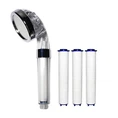
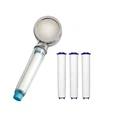
Showerhead filters have a built-in filter and are meant to replace your current showerhead. To install a showerhead filter, you’ll need to disconnect your existing showerhead and screw on the new unit to the water line in your shower. These systems are available as traditional showerheads, and as detachable spray nozzles. A showerhead filter is a great choice if you’re looking to upgrade your existing unit for a more appealing aesthetic, better water pressure, or additional spray settings.
In-line shower filters
In-line shower filters connect to the water line and enable you to keep your existing showerhead. The filters are installed directly, or come with a universal adapter that allows them to work with most showerheads. This option is ideal if you like the design, water pressure, or spray features of your existing showerhead.

How To Install Shower Filters?
Rinse your new shower filter
Remove your shower filter from its packaging and place it under a stream of warm water. Let the water flush through the filter for 60 seconds. Then flip it over and allow the water to run in the opposite direction. This is an important step to remove any carbon dust that may have built up within the filter.
Remove the existing shower head from your shower
Twist your existing shower head counter-clockwise to loosen and remove it from the shower arm. If the shower head is just stuck or has been installed too tightly to easily twist, you may need to use a pair of pliers or a wrench to loosen the head.
Clean your shower arm
Scrub your shower arm threads to remove any mildew, soap scum, dirt, or other bacteria. One easy way to do this is to use a wired brush or steel wool along with a 1:1 mixture of water and white vinegar. Once you’ve finished cleaning the threads, wrap two to three layers of plumbers’ tape around the threads.
Attach your shower filter
Place the provided washer into its connector along the top of the shower filter. Then screw the filter into the shower arm by turning it clockwise until it fits snugly. All water will now feed directly into the filter through the shower arm.
Attach your shower head
Finally, attach your shower head or mount it to the end of the filter and turn it clockwise to tighten it. Continue turning until you achieve a snug fit.
Understand Your water quality: Begin by identifying the impurities present in your water. Conduct a water test or research your local water quality reports to determine the specific contaminants, such as chlorine, heavy metals, or sediments, that you want to address.
Filtration technology: Research different filtration technologies available for shower filters. Common types include activated carbon, Kinetic Degradation Fluxion (KDF), vitamin C, and ceramic filters. Understand how each technology works and its effectiveness in removing specific contaminants.
Check flow rate: Consider the flow rate of the filter. While effective filtration is crucial, it shouldn't compromise the water pressure in your shower. Look for a filter that maintains a balanced flow rate, providing both effective purification and a satisfying shower experience.
Installation compatibility: Check the compatibility of the filter with your existing shower setup. Some filters are designed for easy DIY installation, while others may require professional help. Choose a filter that suits your technical comfort level and can be seamlessly integrated into your shower system.
Budget considerations: Establish a budget for your shower filter. Prices can vary, but it's important to view this as an investment in your health. Consider the long-term benefits of improved skin and hair health when assessing the overall value of the filter.
What Are the Key Components of a Shower Filter?
Housing: The outer casing that holds all the internal components of the shower filter. Usually made of durable plastic or metal to withstand high water pressure and temperature.
Filter cartridge: The core component that actually filters the water. Often made of multiple layers of filtering materials such as activated carbon, KDF (Kinetic Degradation Fluxion) media, and sometimes ceramic or calcium sulfite.
Activated carbon: A form of carbon processed to have small, low-volume pores that increase the surface area available for adsorption.
Sediment filter: A component that captures large particles such as sand, rust, and dirt. Typically made from polypropylene or similar materials.
Ceramic balls: Small ceramic beads used in some shower filters. Can help remove bacteria and some heavy metals, and sometimes adjust the pH balance of the water.
O-rings and seals: Small rubber or silicone rings and gaskets. Ensure a watertight seal between the different parts of the filter housing to prevent leaks.
How to Maintain Shower Filter
Regularly check and clean the filter screen
The filter screen is the first line of defense in your shower filter. It captures larger debris and sediment, preventing it from entering the filtration system. To maintain optimal performance, regularly check and clean the filter screen. Simply remove the screen and rinse it under running water, using a soft brush to remove any buildup.
Replace the filter cartridge as recommended
The filter cartridge is the heart of your shower filter. It contains the filtration media responsible for removing contaminants from your water. Over time, this media becomes less effective, requiring the cartridge to be replaced. Different shower filters have different replacement schedules, depending on the type and quality of the filtration media.
Clean the showerhead regularly
While the shower filter removes many contaminants from your water, mineral deposits can still accumulate on your showerhead over time. To prevent buildup and maintain proper water flow, clean your showerhead regularly. Unscrew the showerhead from the filter and soak it in a mixture of equal parts white vinegar and water for 30 minutes to an hour. Then, use a soft brush to remove any remaining mineral deposits before reattaching it to the shower filter.
Monitor water pressure and flow
A decrease in water pressure or flow can be an indication that your shower filter requires maintenance or replacement. Keep an eye on your shower's water pressure and flow, and take action if you notice a significant change. This could involve cleaning the filter screen, replacing the filter cartridge, or addressing any other issues that may be affecting the performance of your shower filter.
FAQ