

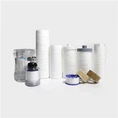
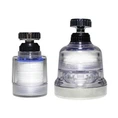
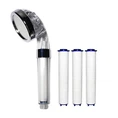
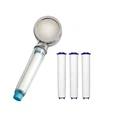
Activated Carbon Filter
What is Activated Carbon Filter
Activated carbon filters are a popular and highly effective method for purifying air and water. They are widely used in various applications, from air purifiers to water treatment plants, due to their ability to remove a wide range of contaminants and impurities. When water flows through an activated carbon filter, the contaminants are attracted to, and trapped within, the carbon's vast network of pores, effectively removing them from the water.
Benefits of Activated Carbon Filter
It only removes the substances you don't want
Activated carbon filters do not remove those beneficial substances like other kinds of filters do. The structure of activated charcoal allows it to attract and absorb only the organic compounds and substances that make your water unhealthy and unusable, allowing the rest of the minerals to pass through the water uninhibited. This is one of many reasons why this type of filter is so popular.
It helps improve the flavor of your water
If you believe your water has an unpleasant taste or aroma, this is most likely a result of additives found in water that are designed to kill off the bacteria and pathogens that might otherwise be found in it. Using an activated carbon filter will absorb the chemicals that cause the foul tastes and odors, resulting in a safer manufacturing experience and a more consistent product.
It is inexpensive
Activated carbon filters are not at all a significant investment, especially when compared to some other types of water filtration system. Carbon filters are relatively low cost to make, and the customer is able to benefit from those savings.
It helps make for healthier and safer water
Activated carbon filters don't just remove substances from the water, they can also add certain types of important minerals to make the water healthier and safer. Some examples of these added minerals include iron, magnesium and calcium.


Why Choose Us
Rich experience
We have more than 20 years of experience in mechanical design and filter element production. We sincerely invite and welcome you to our company to discuss cooperation.
Excellent quality
Our products enjoy a good reputation. We have a strict production system and excellent product quality. It is a wise choice to choose us.
Advanced equipment
With 20 sets of PP melt-blown filter element production lines and 10 sets of activated carbon production lines, we mainly produce filter element manufacturing machines and various filter element products.
Production market
Our products have been exported to Asia, Europe, North America and Africa and more than 20 countries in the world, our customer give the good reputation for our products and service.

Activated carbon filters treat water by using a process called adsorption. As the water passes through the activated carbon, the carbon acts like a sponge with a large surface area and absorbs the contaminants in the water. Simply, the activated carbon exerts a magnetic-like pull on the specific impurities and attracts and traps them in the pores of its surface area.
The dissolved impurities migrate from the liquid to areas in the pore channels with the most potent attractive forces. The contaminants are absorbed because the attraction of the carbon surface is much stronger than the attractive forces that keep them dissolved in the fluid. Following that, the filtered water flows to the next stage of filtration, if any.
As for chlorine and other chemicals that do not adhere to carbon, activated carbon filters use a chemical reaction to eliminate such pollutants. Activated catalytic carbon, which is more reactive than regular carbon, chemically alters the chlorine molecules, converting them into a chloride.
What is the Difference between an Activated Carbon Filter and a Charcoal Filter?
Activated carbon filters tend to be pure rather than charcoal filters. Activated carbon filters are usually better quality and are preferred when filtering water, unlike charcoal filters.
Activated carbon filters are mainly preferred because they have a bigger surface area. For example, one gram of activated carbon has a surface area of roughly 500 square meters. The porous material in the activated carbon filters permits water to go through while simultaneously holding onto pollutants and hard chemicals like iron, chlorine and more.
Using activated carbon filters is a great way to purify your water and ensure that it is free from contaminants and softens it. When water becomes soft, it improves the taste of water and removes any odour or colour residue. It also reduces the use of soap and improves skin and hair condition, amongst other benefits, Although charcoal filters remove impurities, activated carbon filters ensure you get safe and high-quality water for daily use.
All activated carbon filters remove a significantly higher amount of air pollutants than regular carbon filters, however there are some distinctions. Some filters contain more activated carbon than others, and this can affect the capacity for impurity removal. The more activated carbon in a filter, the more contaminants it will catch and the faster it will adsorb. Additionally, high levels of activated carbon increase a filter’s lifetime. It will require fewer replacements and keep emitting fresh air longer. Another factor that influences filtering rate is the size of activated carbon particles.

Types of Activated Carbon Filter
UDF granular activated carbon filter
Granular Activated Carbon Filter is made of nut shell activated carbon or medium activated carbon, and some also use coconut shell. It has a lot of micropores and specific surface area, so it has a strong adsorption capacity, which can effectively adsorb organic pollutants, chemical pesticides, residual chlorine, different colors and odors in water.
CTO extruded carbon block cartridge filters
CTO is named after the shape, and its processing has several molding modes: sintering, compression and extrusion. Coal-based or coconut-based carbon with an iodine contents of more than 900 is used as a filter material, and is sintered and compressed with a food-grade binder. CTO Carbon Filter is used in water treatment equipment to remove residual chlorine, chemical pesticides, different colors, odors, and filter fine impurities.
Carbon impregnated cellulose filter
Carbon impregnated cellulose filter not only have the inherent essential characteristics of carbon materials, but also have the soft processability of textile fibers, which is a new generation of adsorption materials. More than 80% of the carbon atoms of the Carbon Impregnated Cellulose Filters are located on the inner and outer surface, forming a unique adsorption structure, which is called surface solid.
Activated carbon pleated filter cartridges
Activated carbon pleated filter is composed of a high quality activated carbon fibers, activated carbon impregnated fibers, and some use fiber paper. It is a deep filtration with large flux and has heat resistance, acid and alkali resistance. It has a strong adsorption capacity for chlorine, organic matter, odor, etc. And no harmful substances are precipitated.
Composite activated carbon filter
Some activated carbon filter add a certain amount of PP melt blown fiber in the design process, so that it not only has the function of activated carbon, but also has the advantage of sediment filter. This filter is called activated carbon and PP composite filter, or referred to as composite activated carbon filter. It can not only retain large particles such as yellow sand, rust, and small insects, but also remove residual chlorine, pigments and odors well.
What to Consider When Choosing Activated Carbon Filter
Material
The first factor is the type of material used in the filter. Different materials provide different levels of filtration and performance, so it’s important to understand the pros and cons of each type. Some of the most common materials used in activated carbon filters are granular activated carbon, black carbon, and powdered carbon.
Filter source
The most popular kind of filter media, granular activated carbon (GAC), is composed of tiny, highly porous particles. This helps the filter capture and remove impurities from water, resulting in cleaner, clearer water. Block carbon filters are made up of compressed carbon blocks, which offer higher levels of filtration than GAC. Powdered carbon is a more finely ground version of GAC, and is ideal for removing smaller particles from the water.
Size of filter
The size of the filter should be taken into account when selecting an activated carbon filter. The size of the filter will determine how much water it can filter and how quickly it will filter it. Smaller filters are ideal for smaller water sources, while larger filters are better suited for larger bodies of water.
ShelfLife of product
Finally, it’s important to consider the filter’s lifespan. Activated carbon filters are designed to be replaced periodically, so it’s important to choose one with a long lifespan. Depending on the type and size of the filter, it should last for several months or even years.
Application of Activated Carbon Filter
Sewage treatment plant
Industrial wastewater contains many organic compounds, harmful chemicals, odours, and other impurities that need effective filtration. The porous structure helps in removing inorganic and synthetic organic chemicals. Using the thermal and chemical activation method, you can enhance the absorption capacity of the carbon. With professional help, you can choose the right type of activated carbon for your industrial application.
Air purification
Besides sewage treatment plants, activated carbon filters have also found usage in air and gas purification. Smokes, odours, and other volatile pollutants require a robust filtration solution that doesn’t result in outgassing. The filters help to trap volatile gas molecules on a bed of charcoal and remove them from circulation. The porous surface act as a sponge for absorbing harmful gases. They also help absorb hydrocarbons, oil vapours, random, and other harmful components for purifying the air circulation.
Treating drinking water
Drinking water treatment uses a combination of coagulation, sedimentation, and filtration for providing safe water to the public. Water purification is a critical function of activated charcoal. The physical process of absorption makes impurities stick to the surface of the material. Furthermore, these filters offer better results than sand filters in removing worrisome compounds in municipal water. These compounds include chlorine, heavy metals, byproducts, and other volatile microorganisms.
Distilled beverages purification
In the manufacturing of distilled beverages such as whiskey and vodka, activated carbon filters help filter organic components. Just as in sewage treatment plants, the filters enhance the taste, odour, and colour of the beverage. Furthermore, they can also assist in the manufacturing of juices and fruit-based beverages for better texture and fermentation process.
Raw material selection
The production of activated carbon filter should use high-quality biomass or mineral raw materials. Common raw materials include charcoal, coal, coconut shells, etc. Among them, coconut shell activated carbon is the most common raw material.
Pretreatment
The raw materials are pretreated by crushing, screening, drying, etc. to remove impurities. Among them, coconut shells also need to be shelled, ground, screened, etc.
Activation
The raw materials are activated into activated carbon through heating, drying, sintering and other steps to increase the number and size of its specific surface area and pore size. Activation is divided into physical activation and chemical activation, among which the quality of chemical activation is more stable.
Screening
The activated raw materials need to be screened to remove particles that do not meet the requirements. Attention should be paid to the screening accuracy in this link to ensure the consistency and stability of the product.
Molding
The screened raw materials are molded by adding adhesives, additives, etc. to make activated carbon filter. Attention should be paid to the compaction degree and molding process of molding in this step to ensure the quality and performance of the product.
Quality inspection
The molded activated carbon filter needs to be inspected, including appearance inspection, weight inspection, filtration effect inspection, etc. Only by passing strict quality inspection can high-quality activated carbon filters be produced.
How to Clean an Activated Carbon Filter
Simple rinsing
For basic filter maintenance, you can simply rinse activated carbon media under running water to wash away loose sediment and particulate. Swish the carbon grains gently during rinsing.
Soaking in solution
For a deeper clean, make a solution of warm water, lemon juice, and salt. Soak the activated carbon for an hour, swishing occasionally. The acidity helps dissolve mineral scale, while the salt abrasion scrubs the carbon surface. Rinse thoroughly.
Hydrogen peroxide or vinegar
To help sanitise and deodorise, some use dilute hydrogen peroxide or white vinegar instead of lemon juice. Let the carbon soak for an hour before rinsing. Avoid bleach solutions, as they degrade the carbon.
Avoid scrubbing
Never aggressively scrub carbon media, as it can damage the porous surface needed for filtration. Gentle swirling during soaking is sufficient. Handle carbon carefully.
Reactivate in the oven
If basic cleaning fails to restore filtration capacity, try "reactivating" carbon in the oven at 120°C for 30 minutes. This burns away organic contaminants. Replace if still underperforming.
FAQ