



If you've ever stood in the water filtration aisle, scrolling through ceramic ball filter options from half a dozen brands, you know how easy it is to feel overwhelmed. I've worked in this industry for over a decade as a ceramic ball filter supplier, and I still see customers make the same mistake: they pick a product based on price alone, only to realize months later it doesn't deliver on its promises, whether that's bad water flow, short lifespan, or filters that leach unwanted chemicals back into their system. Comparing ceramic ball filters isn't about guessing or going with the biggest name-it's about looking at hard, verifiable details that actually impact how your filter performs. Let's break down what to look for, and how to spot the difference between a quality ceramic ball filter and one that's just filling space in a box.
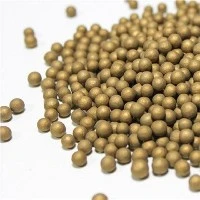
First, start with the core material, because not all ceramic balls are made the same. At their base, ceramic balls are made from a mix of clay, natural minerals, and sometimes binders that hold the shape during firing. The problem is, some cheaper brands cut corners on the ingredients-using low-grade clay or adding too many fillers to keep production costs down. This leads to balls that are brittle, break down quickly, and leave fine particles in your filtered water, creating even more work down the line. Good ceramic ball filters use high-quality, food-grade raw materials that are non-porous enough to resist breaking, but porous enough to do their job.
But wait-what job do you actually need your ceramic ball filter to do? That's the next big question, because different designs serve different purposes. If you're looking to remove chlorine from drinking water, for example, not all ceramic balls can handle that. I've tested filters from competitors that claimed to remove chlorine, only to find they used surface coatings that wash off after a few weeks, leaving your tap water smelling like a swimming pool again. A reliable chlorine-removal ceramic ball is made with activated carbon infused into the ceramic matrix, not just coated on top. You can check out our own option for this here: Food Grade Chlorine Removal Ceramic Ball, which is formulated to hold onto carbon particles so they don't leach out, even after months of regular use. For filters that need to handle more than basic chlorine-like biological descaling, which prevents mineral buildup in pipes and appliances-look for balls that are infused with beneficial bacteria, not just inert minerals. Our Bio Descaling Ceramic Balls for Water Filtration System are designed specifically for that, with a porous structure that lets bacteria grow and break down limescale before it can stick.
Porousness is another critical factor, and it's not just about more pores being better. Too many small pores and water won't flow through the filter efficiently, leading to slow filtration times or even clogged filters after a few uses. Too few pores, and the filter can't catch the tiny contaminants it's meant to trap, or it won't last as long. I've run side-by-side tests with different brands where a budget filter with 20% porosity clogged in 200 hours of use, while a mid-range filter with 40% porosity stayed functional for over 1,000 hours. The sweet spot depends on the application, but a good rule of thumb is to ask each brand for the porosity percentage, not just vague claims about "superior filtration." For filters that need antibacterial properties, micro porosity is key here-small enough to trap bacteria, but not so small that water flow is restricted. Our Micro Porous Anti-bacterial Ceramic Ball Filter is calibrated to that exact balance, with pore sizes that capture E. coli and other common waterborne bacteria while keeping flow rates high enough for daily use.
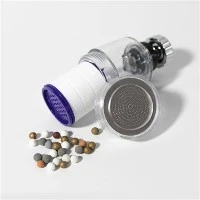
Next, test for leachables. This is non-negotiable, especially if you're filtering water for drinking or cooking. Some low-quality ceramic balls use binders or additives that can leach chemicals like heavy metals or plasticizers when exposed to water over time. These chemicals aren't something you want in your glass of water, and they can also damage other parts of your filtration system over time. Always ask for third-party test results for any brand you're considering-look for certifications like NSF/ANSI 61, which ensures products are safe for drinking water use. I can't tell you how many times I've had a customer come to us after switching to a cheaper brand that wasn't tested, only to find trace amounts of lead in their filtered water. All our ceramic ball filters undergo independent testing for leachables, so you never have to worry about that. For specialized applications like shower filters, where people are exposed to water for longer periods, leachables are even more important. Our Maifan Stone Alkaline Ceramic Balls for Shower Filter use natural maifan stone, a mineral from mountain deposits, to add healthy minerals like calcium and magnesium to your shower water, with zero leachables, so you're just getting the benefits of the minerals, not extra chemicals.
Lifespan is another big difference between brands. A good ceramic ball filter should last for 12 to 24 months, depending on how often it's used and the quality of the water you're filtering. Cheaper brands often use lower firing temperatures when making their balls, which makes them weaker and more prone to breaking down. Firing temperature matters here-most quality ceramic balls are fired at over 1,200 degrees Celsius, which hardens the material and makes it more resistant to wear and tear. I've seen brands that fire at only 800 degrees, which cuts production time and costs, but the balls crumble after 6 months, leaving you replacing the entire filter far more often. When comparing, ask the brand what the firing temperature is, and how they determine lifespan-many brands will just say "long-lasting" without backing it up with real usage data. We calculate our lifespan based on actual field testing, where we track how many hours a filter can run before it loses 90% of its filtration capacity, and our ORP Ceramic Ball for Drinking Water Filter Cartridge, for example, is tested to last up to 18 months with regular use.
Wait, what's ORP, you might ask? Oxidation-Reduction Potential, and that's a term you'll see a lot in drinking water filters. ORP measures how "healthy" water is, with lower ORP levels (more negative) indicating alkaline, antioxidant-rich water that's better for your body. Some ceramic ball filters are designed to adjust ORP, adding antioxidants to your water as it passes through. Not all brands can do this effectively, though-many just add small amounts of minerals that don't actually change the ORP level, or they only work for a short time before the minerals are used up. Our ORP Ceramic Ball is formulated with a mix of tourmaline and maifan stone, which continuously adjusts ORP for over a year, so you get consistent antioxidant-rich water every time you fill your glass. That's something you can't get from a cheap, one-size-fits-all ceramic ball filter.
Cost, of course, is a factor, but it's important to compare apples to apples here. A filter that costs 20% more upfront might end up being cheaper in the long run if it lasts twice as long and works better, rather than buying two cheap filters in the same year that break and don't do the job right. I've had customers tell me they saved $50 in one month by buying a cheaper filter, but then spent $200 replacing it four times in a year and dealing with the hassle of bad water. When comparing costs, factor in lifespan, filtration performance, and any additional benefits like mineral enrichment or antibacterial properties. The cheapest option isn't always the best value-sometimes the slightly more expensive, higher-quality filter will save you money and stress over time.
Another thing to look for is consistency. Some brands might make great ceramic balls for a few batches, then cut corners on the next, leading to inconsistent performance. That's a common issue with smaller, low-budget manufacturers that don't have strict quality control processes. A reputable brand will have consistent testing at every step of production-from raw material testing, to firing quality checks, to finished product testing. We have a quality control team that checks every batch of ceramic balls for porosity, hardness, and leachables before they leave our facility, so every filter you get is the same high quality, no matter when you order it. That consistency is huge for commercial users, like cafes or hotels, where you need every glass of water to taste the same, and for residential users who don't want to have to test their filter every few months to make sure it works.
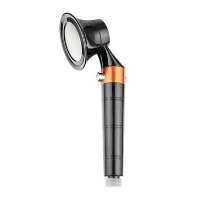
I also can't forget to mention application-specific needs. If you're filtering water for a home, you might want a filter that does multiple things-removes chlorine, adds minerals, and has antibacterial properties all in one. If you're running a manufacturing process that requires pure water, you'll need a filter with high purity and long lifespan. For shower filters, you might want alkaline benefits to help with skin and hair health, like our Maifan Stone Alkaline Ceramic Balls for Shower Filter. The key here is to match the filter's features to your specific use case, not just pick a generic filter that claims to do everything. A lot of brands try to make one filter for all uses, and end up doing none of them well.
Let me give you a real example of how this plays out in the real world. Last year, a café owner came to us after trying three different budget ceramic ball filters for their office water station. Each one only lasted 3 months, and the water tasted flat, like it was being filtered too aggressively. They switched to our Micro Porous Anti-bacterial Ceramic Ball Filter, and it's now been 10 months, and the water is tasting great, they haven't had to replace the filter yet, and there's been no buildup in their coffee machines. The initial cost was 30% higher than the budget brands, but they've saved over $1,000 in filter replacements and maintenance in just 10 months. That's the difference between comparing features and just looking at price.
One thing that's often overlooked is support. A good brand will be able to answer your questions, provide test reports, and help you figure out which filter is right for you. If a brand can't tell you what their ceramic balls are made of, or won't share third-party test results, that's a red flag. We work closely with every customer, whether they're a homeowner with a single filter or a large manufacturer needing 10,000 units a month, to make sure they get the right product for their needs. We also offer guidance on installation, maintenance, and how to get the longest lifespan out of your filter.
At the end of the day, comparing ceramic ball filters comes down to looking beyond the marketing hype and the price tag, and focusing on what actually matters: material quality, filtration performance, lifespan, safety, and consistency. Cheap filters might seem like a good deal upfront, but they often cost more in the long run, and don't deliver the clean, safe water you need. Whether you're filtering drinking water, shower water, or industrial water, taking the time to research each brand's details will save you time, money, and frustration down the line.
If you're looking for a reliable ceramic ball filter, or have questions about which type is right for your application, we're here to help. We offer a full range of options for every need, from drinking water filters to shower filters, all tested and made with high-quality materials. Don't hesitate to reach out to discuss your specific requirements.

