

1. Substances removed by physical filtration
Large particle impurities:
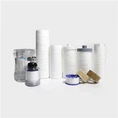
PP cotton or ceramic filter elements in shower filters can remove large particle impurities such as silt, rust, and suspended solids in the water. Rust particles are usually large in diameter and can be blocked by the physical interception mechanism of the filter. Similarly, silt particles in the water, such as silt that may be mixed into the water supply after a rainstorm, will also be effectively filtered.
It can also intercept impurities such as insect eggs and hair in the water. For example, in some water sources that have not been finely treated, there may be parasite eggs. Through physical filtration by the filter, these eggs can be prevented from contacting the human body and reducing health risks.
Substances removed by chemical adsorption
2. Residual chlorine:
Activated carbon is a commonly used adsorption material in shower filters. It can effectively adsorb residual chlorine in water. In order to disinfect and sterilize, water plants usually add chlorine to the water, and the residual chlorine will cause damage to the skin and hair. Residual chlorine can damage the cuticle of the hair, causing the hair to be dry and easy to break. It can also destroy the barrier function of the skin, making the skin dry and itchy. The rich pore structure of activated carbon can absorb these residual chlorine and reduce its adverse effects on the human body.
3. Heavy metal ions:
Some advanced shower filters, such as filters containing KDF (copper-zinc alloy) materials, can remove heavy metal ions in water, such as lead, mercury, cadmium, etc., through electrochemical redox reactions. These heavy metal ions may come from industrial pollution or aging water supply pipes. When water containing heavy metal ions flows through KDF materials, ion exchange and other reactions will occur, thereby reducing the concentration of heavy metal ions in the water and reducing the risk of poisoning by absorbing heavy metals through the skin.
4. Organic pollutants:
Activated carbon can also absorb organic pollutants in water, such as pesticide residues, industrial wastewater pollutants (such as polycyclic aromatic hydrocarbons, benzene series, etc.) and odor substances in water. These organic pollutants may be absorbed into the human body through the skin, posing potential hazards to health. Through the adsorption of activated carbon, water quality can be purified, making shower water safer.
5. Substances removed by ion exchange
Calcium and magnesium ions (softening water):
Some shower filters containing softening resin can remove calcium and magnesium ions from water, that is, soften water. In hard water areas, the calcium and magnesium ions in water are high, and these ions will form scale on the inner wall of shower nozzles and water pipes. When water passes through the softening resin, the sodium ions in the resin will exchange with calcium and magnesium ions, thereby reducing the hardness of the water and reducing the formation of scale. It can also make the skin and hair feel softer after contact with water.
If you want to know more about shower filters, please contact ANGE Environmental Technology for more consultation. Our professional team is always on call, willing to listen to your needs and provide you with tailored consultation and guidance.
https://www.angefilter.com/