

1. Regular inspection and monitoring
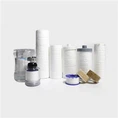
Appearance inspection: Check the appearance of the activated carbon filter element carefully at regular intervals (such as once a month). Check for signs of damage, cracks or wear. For activated carbon filter elements used for air purification, if they are damaged, external dust and impurities can easily enter, reducing the adsorption effect; for water treatment filter elements, damage may cause activated carbon leakage and affect water quality. At the same time, pay attention to the color change of the filter element. Under normal use, the color will gradually darken, but if the color changes too quickly in a short period of time, it may indicate that too many pollutants are adsorbed or the filter element is abnormal.
Performance monitoring: In water treatment applications, regularly test the water quality parameters after filtration, including residual chlorine content, chemical oxygen demand (COD), color and odor. If the residual chlorine is not completely removed, the water still has an odor or the COD value is high, it means that the adsorption capacity of the filter element has decreased. In the air purification scene, use an air quality detector to detect the air after the filter element, pay attention to the concentration of harmful gases such as formaldehyde and benzene and the level of inhalable particulate matter. If the value is abnormal, the filter element may need to be maintained.
2. Avoid overuse and store properly
Avoid overuse: Arrange the use time reasonably according to the use environment and flow requirements of the filter element. For example, in an environment with poor air quality, the activated carbon filter element in the air purifier may need to be replaced or maintained more frequently. If the filter element is always in a high-load working state, its adsorption capacity will drop rapidly.
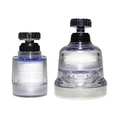
For water treatment filter elements, pay attention to controlling the amount of water filtered. If the design flow of the filter element is exceeded, the water stays in the filter element for too short a time, which will lead to insufficient adsorption and accelerate the loss of the filter element.
Proper storage: If the activated carbon filter element needs to be temporarily stored, it should be placed in a dry, cool and well-ventilated place. Avoid direct sunlight, as ultraviolet rays in the sun may age the activated carbon. At the same time, ensure that the storage environment is clean to prevent dust and other impurities from contaminating the filter element. If the filter element is sealed, try not to unpack it before use to keep it in its original state.
If you are interested in learning more about how to maintain activated carbon filters, welcome to www.angefilter.com! We have industry-leading technical dynamics and professional customer service, and look forward to working with you to create a better chapter!
https://www.angefilter.com/