


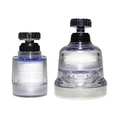
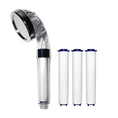

1) Activated Carbon Filters: These filters use activated carbon or charcoal to absorb impurities and contaminants from water. Activated carbon is highly porous and has a large surface area, making it effective at removing chlorine, sediment, bad taste, and odor from tap water. Some activated carbon filters also include additional media to target specific contaminants like lead or heavy metals.
2) Ceramic Filters: Ceramic filters consist of a porous ceramic cartridge that traps impurities as water passes through. They are effective at removing bacteria, protozoa, sediment, and some chemicals. Ceramic filters can be cleaned and reused, making them a cost-effective option for long-term use.
3) Reverse Osmosis (RO) Filters: RO filters use a semipermeable membrane to remove a wide range of contaminants from water, including dissolved salts, heavy metals, bacteria, and viruses. These filters provide highly purified water but may have a slower flow rate and produce wastewater as a byproduct.
4) UV (Ultraviolet) Filters: UV filters use ultraviolet light to disinfect water by killing bacteria, viruses, and other microorganisms. They are often used in conjunction with other filtration methods to provide additional microbial protection. UV filters do not remove particulate matter or chemicals from water but are effective at sterilizing it.
5) Ion Exchange Filters: Ion exchange filters use resins to remove dissolved ions, such as calcium, magnesium, and heavy metals, from water. They work by exchanging ions in the water with ions on the resin surface. These filters are commonly used for water softening and can also reduce the concentration of certain contaminants.
6) Multi-Stage Filters: Multi-stage filters combine multiple filtration technologies in one unit to provide comprehensive water purification. For example, a multi-stage filter may include activated carbon, ceramic, and ion exchange media to remove a wide range of contaminants, including sediment, chlorine, heavy metals, and microorganisms.
7) Alkaline Filters: Alkaline filters use a combination of minerals, such as calcium, magnesium, and potassium, to raise the pH of water and make it more alkaline. These filters may also include activated carbon or other media to remove impurities while adding beneficial minerals to the water.
https://www.angefilter.com/