

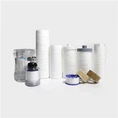
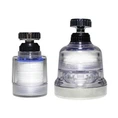
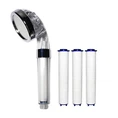
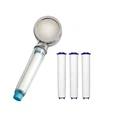
Activated Carbon Filters are one of the most widely used filtration systems in the world. The filter works on the principle of adsorption, which means that impurities and contaminants in the water or air are attracted to and held on to the surface of the activated carbon.
The activated carbon is produced by heating carbon-rich materials like coal, wood, and coconut shells at high temperatures to create small cavities and pores in the carbon structure. These pores and cavities trap and hold on to the contaminants like organic and inorganic compounds, gases, and odors from the surrounding environment.
Activated Carbon filters are effective in removing chlorine, chemicals, and volatile organic compounds (VOCs) from water, as well as odor and taste from the air. The filter is commonly used in industries like pharmaceutical, food and beverage, and water treatment, as well as in homes where water quality is a concern.
The filtering principle of Activated Carbon Filter is based on the adsorption of contaminants and pollutants in the water or air onto its activated carbon structure. This filtration system is highly effective in removing impurities from water and air, making it a popular choice for both industrial and household use.
https://www.angefilter.com/