

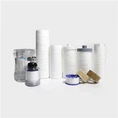
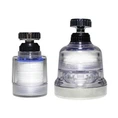
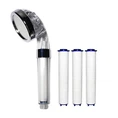
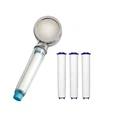
A chlorine taste in the water, a deterioration in taste, a decrease in flow rate, or the filter cartridge turning black or yellow are all clear signs that your CTO activated carbon block filter cartridge needs replacement. Your attention to filter replacement timing demonstrates your meticulous attention to drinking water quality, which is truly commendable.
CTO (compressed activated carbon) filters, as the "main adsorption force" in a water purification system, will become saturated and ineffective after prolonged use. Failure to replace them in time will not only affect the taste but may also cause secondary pollution and even damage the RO membrane. Here are four key criteria for determining whether your filter needs replacement:
Smell and taste: A return of residual chlorine odor is the earliest warning sign.
* Smell of "disinfectant" or "bleach": This indicates the filter is no longer effectively adsorbing residual chlorine, and its adsorption capacity is essentially exhausted.
* Astringent, bitter, or unpleasant taste: This may be due to the activated carbon becoming ineffective, allowing organic matter, heavy metals, or chloramines in the water to penetrate.
* Water no longer tastes sweet: Previously sweet purified water becoming bland or even having an off-taste is a typical sign of CTO function decline.
Recommendation: Tasting a glass of room temperature water every morning is the simplest and most effective daily monitoring method.
Observe the water flow: Changes in flow rate and color are the most intuitive indicators.
* Significantly reduced water flow: CTO filter cartridges clogged with impurities or structurally collapsed will increase water flow resistance and slow down water production.
* Persistent "black water" or carbon powder after rinsing: A slight amount of carbon powder is normal initially, but if black water or particulate matter continues to flow, it indicates that the filter cartridge structure is damaged.
* Abnormal fluctuations in TDS value (RO models): Although CTO does not reduce TDS, residual chlorine after its failure can penetrate and oxidize the RO membrane, leading to a decrease in desalination rate and an increase in TDS.
Check the appearance: Darkening color indicates the filter's dirt-holding limit.
* Yellowing, browning, or even blackening of the filter cartridge casing: The activated carbon will gradually darken in color after adsorbing pollutants, with the discoloration being particularly noticeable in the center.
* Black deposits or suspended carbon residue on the inner wall of the filter bottle: This indicates that the activated carbon particles may have powdered and fallen off, requiring immediate replacement.
Tip: Regularly disassemble the filter bottle for inspection. Always turn off the water supply and release the pressure before operation.
Check the time and smart reminders: Scientific management makes things easier.
* Reference replacement cycle: Generally 6–12 months. If the local tap water has high residual chlorine content, poor water quality, or high water consumption, it is recommended to shorten the replacement cycle to 6–8 months.
Rely on the device's reminder function:
* Solid green light: Filter cartridge is in normal condition;
* Flashing yellow light: Lifespan is nearing its end, replacement is recommended;
* Solid red light or flashing red light: Must be replaced immediately, continued use may affect water quality safety.
Use residual chlorine test kit: Portable kits are available online. Compare the residual chlorine content of raw water and purified water. If the removal rate is less than 80%, the CTO has failed.
https://www.angefilter.com/