



As a supplier of Micron Scale Kitchen Faucet Water Filters, I often get asked about the proper way to dispose of these used filters. It's a crucial topic that not only concerns environmental protection but also the health and safety of our daily lives. Let's dive into how we can handle this issue in the most appropriate way.
Why Proper Disposal Matters
First off, you might wonder why it's such a big deal to dispose of a used water filter correctly. Well, these filters are designed to trap all sorts of contaminants from your tap water, like sediment, rust, chlorine, and sometimes even heavy metals. When the filter is used up, these contaminants are still stuck inside it. If we don't dispose of it properly, these harmful substances can potentially leak back into the environment, causing pollution and posing risks to animals, plants, and water sources.
Understanding the Components of Micron Scale Kitchen Faucet Water Filters
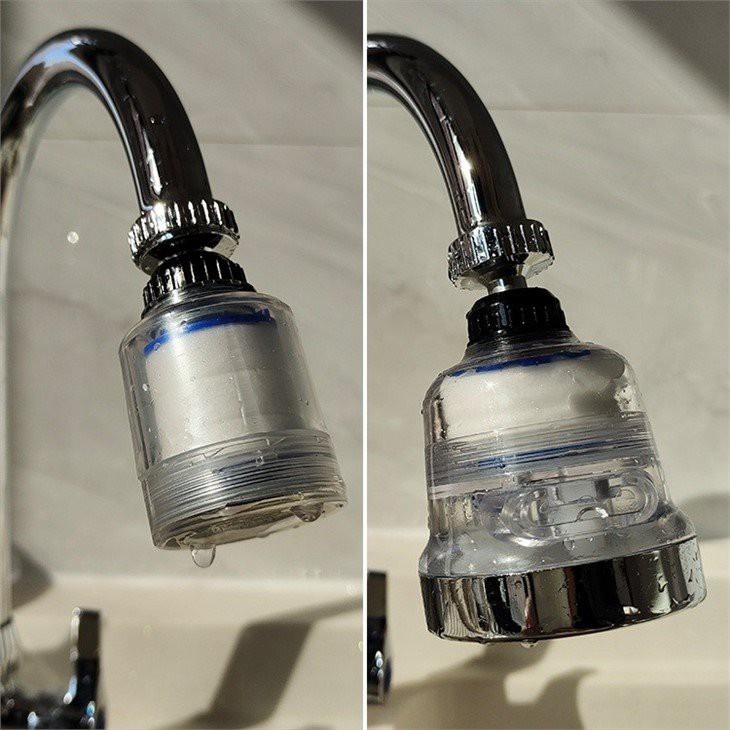
To figure out the right disposal method, we need to know what these filters are made of. Most of the micron scale kitchen faucet water filters consist of a few common components. There's usually a housing, which is often made of plastic. Inside the housing, you have the filter cartridge. These cartridges can be made of different materials, such as PP (polypropylene) cotton.
For example, our PP Melt Blown Faucet Filter Cartridge is made of high - quality polypropylene. PP is a thermoplastic polymer that is durable and can effectively filter out small particles. Another popular type is the Kitchen Faucet PP Cotton Filter Cartridge, which also uses PP cotton to trap impurities.
General Disposal Steps
Step 1: Remove the Filter
The first thing you need to do is to remove the used filter from your kitchen faucet. This process is usually quite simple. Most filters are designed to be easily attached and detached. Just follow the instructions that came with your Kitchen Mini Tap Water Filter or other models. Make sure to turn off the water supply before you start removing the filter to avoid any water leakage.
Step 2: Determine the Type of Filter
As mentioned earlier, knowing the materials of your filter is essential for proper disposal. Check the product manual or the label on the filter to see what it's made of. If it's mainly a plastic housing with a PP filter cartridge, like in our PP Tap Water Faucet Filter Element, you'll need to separate these two parts.
Step 3: Separation (if necessary)
If your filter has a plastic housing and a filter cartridge, carefully take them apart. You can use a pair of pliers or a screwdriver depending on the design of the filter. Once separated, you can deal with each part separately.
Disposal of Different Parts
Plastic Housing
The plastic housing of the filter can usually be recycled if it's made of common plastics like polyethylene or polypropylene. However, before throwing it in the recycling bin, make sure to clean it thoroughly. You can wash it with soapy water to remove any remaining contaminants. Then, check with your local recycling guidelines. Some areas might have specific requirements or restrictions on recycling plastic parts. In some cases, you may need to take the plastic housing to a special recycling facility.
Filter Cartridge
The filter cartridge is a bit more tricky. Since it's full of trapped contaminants, it can't always be recycled. For example, a PP filter cartridge that has been used to filter dirty water may not be suitable for recycling. In such cases, it's best to treat it as regular solid waste. Place it in a sealed plastic bag to prevent any leakage of the trapped contaminants and then throw it in the trash bin.

Eco - friendly Disposal Alternatives
In addition to the traditional disposal methods, there are also some eco - friendly alternatives that you can consider.
Donating or Recycling Programs
Some organizations or companies run recycling programs for water filters. You can try to find out if there are any local initiatives that accept used micron scale kitchen faucet water filters. They may have the technology to properly clean and recycle the filter components, reducing the environmental impact.
Reusing the Filter Housing
If the plastic housing of your filter is still in good condition, you can try to reuse it. For example, you can repurpose it as a small container for storing small items like screws, buttons, or seeds. This way, you're giving the housing a second life and reducing waste.
Disposal of Special Filters
Some filters are designed to remove more specific contaminants, like heavy metals or fluoride. These special filters may require different disposal methods.
Filters with Heavy Metals
If your filter has been used to remove heavy metals such as lead or mercury, it should never be disposed of in the regular trash. Heavy metals are extremely toxic to the environment and can cause serious health problems. In this case, you need to contact your local environmental protection agency or a hazardous waste disposal facility. They will have the proper equipment and knowledge to handle these filters safely.
Filters for Fluoride Removal
Filters for fluoride removal may also require special attention. Although fluoride is not as toxic as heavy metals, improper disposal can still affect the balance of the environmental fluoride levels. Similar to heavy - metal filters, it's advisable to check with your local authorities for the correct disposal method.
The Role of Suppliers
As a supplier of Micron Scale Kitchen Faucet Water Filters, we play an important role in promoting proper disposal. We should provide clear instructions on the product packaging or in the user manual about how to dispose of the used filter. We can also collaborate with local recycling facilities or environmental organizations to encourage the recycling of our products.
If you're interested in purchasing our high - quality Household Kitchen Faucet Front Filter or other water filter products, don't hesitate to reach out to us for more information and to start a procurement discussion. We're always here to offer you the best solutions for your water filtration needs.