Hey there! As a supplier of Ceramic Ball Filters, I've seen firsthand how these nifty devices can make a real difference in water filtration. But like any piece of equipment, they need a little TLC to keep them running at their best. So, let's dive into how you can optimize the performance of a Ceramic Ball Filter.
Understanding Ceramic Ball Filters
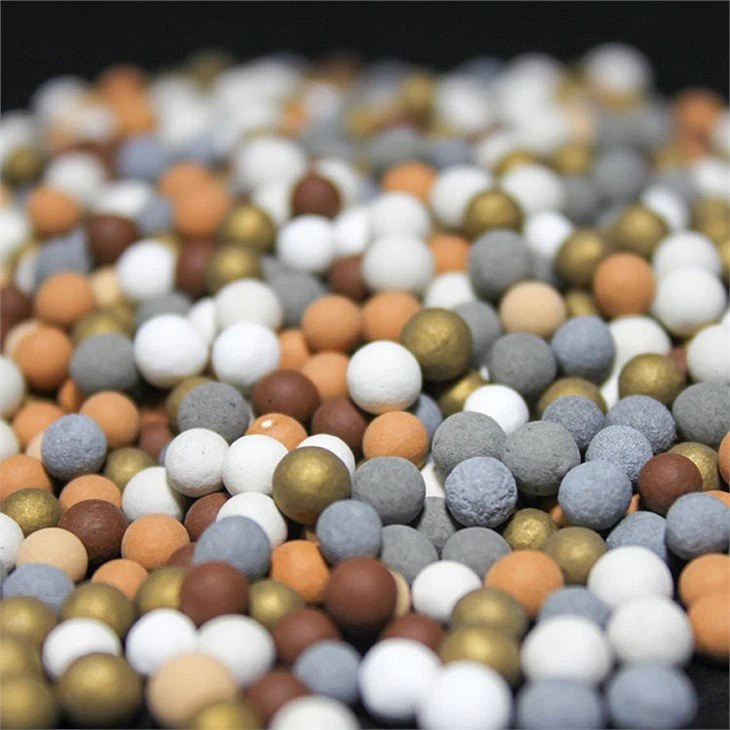
First things first, let's talk about what ceramic ball filters are and how they work. Ceramic balls are small, porous spheres made from a variety of materials, including clay, minerals, and other additives. These balls are designed to remove impurities from water by adsorbing and trapping contaminants, such as heavy metals, bacteria, and organic matter.
One of the great things about ceramic ball filters is that they are highly customizable. Depending on the specific needs of your application, you can choose from a range of different ceramic balls with varying properties and filtration capabilities. For example, some ceramic balls are designed to increase the alkalinity of water, while others are formulated to reduce the oxidation-reduction potential (ORP) of water.
Here are some of the different types of ceramic ball filters we offer:
- MPH Alkaline Ceramic Balls Filter: These balls are designed to increase the pH of water, making it more alkaline and potentially providing health benefits.
- Maifan Stone Alkaline Ceramic Balls for Shower Filter: Maifan stone is a natural mineral that is rich in trace elements and has been used for centuries in traditional Chinese medicine. These ceramic balls are infused with maifan stone to provide a gentle, natural filtration for your shower water.
- ORP Ceramic Ball for Drinking Water Filter Cartridge: ORP ceramic balls are designed to reduce the oxidation-reduction potential of water, making it more antioxidant and potentially providing health benefits.
- Vitamin C Ceramic Ball for Shower Filter: These ceramic balls are infused with vitamin C, which can help to neutralize chlorine and other chemicals in your shower water, leaving your skin and hair feeling soft and healthy.
- Micro Porous Anti-bacterial Ceramic Ball Filter: These balls are designed to be highly porous, providing a large surface area for the adsorption of contaminants. They also have antibacterial properties, which can help to reduce the growth of bacteria and other microorganisms in your water.
Optimizing the Performance of Your Ceramic Ball Filter
Now that you have a better understanding of what ceramic ball filters are and how they work, let's talk about how you can optimize their performance. Here are some tips and tricks to help you get the most out of your ceramic ball filter:
1. Choose the Right Ceramic Balls for Your Application
As I mentioned earlier, one of the great things about ceramic ball filters is that they are highly customizable. Depending on the specific needs of your application, you can choose from a range of different ceramic balls with varying properties and filtration capabilities.
For example, if you are looking to increase the alkalinity of your water, you might want to consider using MPH Alkaline Ceramic Balls Filter. On the other hand, if you are looking to reduce the oxidation-reduction potential of your water, you might want to consider using ORP Ceramic Ball for Drinking Water Filter Cartridge.
It's important to choose the right ceramic balls for your application to ensure that you are getting the best possible filtration results.
2. Use the Right Amount of Ceramic Balls
Another important factor to consider when optimizing the performance of your ceramic ball filter is the amount of ceramic balls you use. Using too few ceramic balls can result in poor filtration performance, while using too many ceramic balls can lead to clogging and reduced flow rates.
The amount of ceramic balls you need will depend on the specific size and capacity of your filter, as well as the level of contamination in your water. As a general rule of thumb, you should aim to use enough ceramic balls to fill the filter chamber to about 80% capacity.
3. Clean Your Ceramic Ball Filter Regularly
Like any piece of equipment, your ceramic ball filter needs to be cleaned regularly to ensure that it is performing at its best. Over time, contaminants can build up on the surface of the ceramic balls, reducing their filtration efficiency and potentially causing clogging.
To clean your ceramic ball filter, simply remove the ceramic balls from the filter chamber and rinse them thoroughly with clean water. You can also soak the ceramic balls in a mild cleaning solution to remove any stubborn contaminants.
It's important to clean your ceramic ball filter regularly to prevent the buildup of contaminants and to ensure that it is providing you with clean, healthy water.
4. Replace Your Ceramic Balls When Necessary
Even with regular cleaning, your ceramic balls will eventually wear out and need to be replaced. The lifespan of your ceramic balls will depend on a variety of factors, including the level of contamination in your water, the amount of use your filter gets, and the specific type of ceramic balls you are using.
As a general rule of thumb, you should aim to replace your ceramic balls every 6 to 12 months. However, if you notice a significant decrease in the filtration performance of your filter, or if you start to see signs of contamination in your water, you may need to replace your ceramic balls more frequently.
5. Monitor the Performance of Your Ceramic Ball Filter
Finally, it's important to monitor the performance of your ceramic ball filter regularly to ensure that it is working properly. You can do this by checking the flow rate of your water, as well as the quality of the filtered water.
If you notice a significant decrease in the flow rate of your water, or if you start to see signs of contamination in your water, such as cloudiness or odors, it may be a sign that your ceramic ball filter needs to be cleaned or replaced.
Conclusion
Optimizing the performance of your Ceramic Ball Filter is essential to ensure that you are getting the best possible filtration results. By choosing the right ceramic balls for your application, using the right amount of ceramic balls, cleaning your filter regularly, replacing your ceramic balls when necessary, and monitoring the performance of your filter, you can ensure that your Ceramic Ball Filter is providing you with clean, healthy water for years to come.
If you have any questions about optimizing the performance of your Ceramic Ball Filter, or if you are interested in learning more about our products, please don't hesitate to contact us. We would be happy to help you choose the right Ceramic Ball Filter for your needs and to provide you with any additional information or support that you may need.